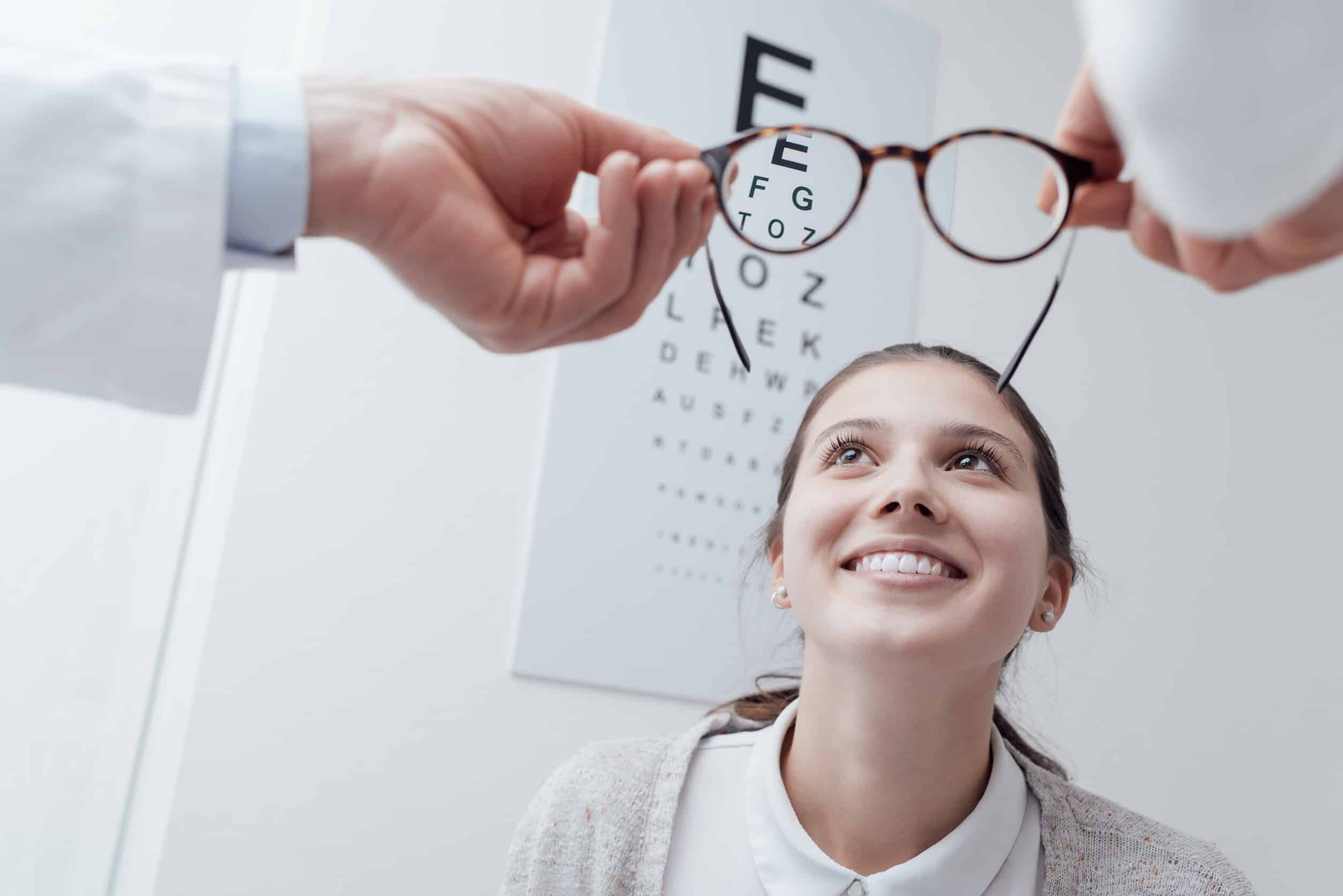
Blue light glasses have quickly become one of the most talked-about eyewear trends—but do they actually work? Are they just a passing fad, or do they offer real protection for your eyes, especially in a world increasingly dominated by screens?
To understand the value of blue light glasses, it’s important to first understand what blue light actually is. Blue light is a portion of the visible light spectrum with a short wavelength and high energy. It’s naturally emitted by the sun but is also produced by digital screens—like smartphones, laptops, tablets, and LED lights.
Not all blue light is harmful. Some exposure during the day helps regulate your circadian rhythm and keep you alert. However, prolonged and intense exposure to artificial blue light, especially in the evening, can disrupt your sleep cycle and contribute to digital eye strain. This is where blue light glasses come in, acting as a barrier between your eyes and these high-energy wavelengths.
Recognising the Signs of Digital Eye Strain
Spending long hours in front of screens can lead to a collection of symptoms known as digital eye strain, sometimes referred to as computer vision syndrome. This condition doesn’t only affect your eyes—it can also influence your concentration, mood, and productivity throughout the day.
Some common signs of digital eye strain include:
Blurred or fluctuating vision after screen time
Burning or itchy eyes
Headaches or pressure behind the eyes
Neck and shoulder tension from poor posture during screen use
Increased sensitivity to light
Trouble falling asleep or staying asleep after evening screen exposure
These symptoms may not always feel serious at first, but over time they can worsen if left unmanaged. For students, professionals, gamers, and anyone who relies on digital devices, finding a protective solution is becoming essential. Blue light glasses are designed specifically to address these symptoms by reducing screen glare and blocking excessive blue light that can contribute to eye fatigue.
Blue Light Glasses: Myths vs Facts
There is plenty of information—and misinformation—about blue light glasses circulating online. Some of it is based on science, while some of it is more speculative. Let’s clear up some of the most common myths and facts so you can make an informed decision.
Myth: Blue light glasses block all blue light. Fact: No lens blocks 100 percent of blue light. High-quality computer glasses are designed to filter out specific wavelengths of blue light that are most likely to cause strain and disrupt sleep. They still allow some light through to maintain visual clarity and colour accuracy.
Myth: All blue light is bad for you. Fact: Blue light in moderation, especially from natural sunlight, has important health benefits. The concern lies in prolonged artificial exposure without breaks or protection.
Myth: Blue light lenses are only for people with eye problems. Fact: Anyone who uses digital screens for extended periods may benefit from blue light filtering lenses—even if they don’t wear prescription glasses. Optic Edge offers both prescription and non-prescription options.
Myth: Blue light glasses improve your vision. Fact: Blue light glasses do not correct vision in the way that prescription lenses do. Instead, they improve visual comfort by reducing glare and filtering disruptive light from screens.
Myth: You only need them at night. Fact: While nighttime use can help reduce sleep disturbances, daytime use is just as important for managing eye strain and screen-related discomfort during work or study sessions.
How Optic Edge Lenses Filter Harmful Blue Light
At Optic Edge, the focus is not just on providing glasses—it’s on improving lives through better eye care. Optic Edge’s blue light glasses are designed with advanced filtering technology that targets the high-energy wavelengths associated with digital eye strain and poor sleep quality.
These lenses incorporate several important features:
Digital screen protection by filtering harmful high-energy visible (HEV) blue light
Anti-glare lenses that minimise reflections from screens and indoor lighting
Comfort-enhancing designs that reduce squinting and visual fatigue
Available in prescription and non-prescription formats for all users
Optic Edge also personalises lens recommendations based on your lifestyle. For example, someone working a desk job might benefit from stronger filtration and anti-glare coatings, while a casual screen user may prefer lighter protection.
The result is a lens that blends protection, clarity, and style—so you can focus on your work, studies, or entertainment without constant eye discomfort.
When to Use Blue Light Glasses
Blue light glasses aren’t just for nighttime use—they’re designed to protect your eyes throughout the day whenever you’re exposed to screens or bright indoor lighting. Here are some of the best use cases for blue light lenses from Optic Edge:
During Work or Study Sessions
Whether you’re working in an office or attending online classes, extended screen exposure is hard to avoid. Blue light glasses reduce eye strain and help maintain visual focus for longer stretches, improving productivity without fatigue.
While Gaming or Watching Content
Gamers and binge-watchers often experience long, uninterrupted exposure to bright screens. Blue light filtering glasses help keep your eyes comfortable and reduce glare, especially in dark rooms where the contrast between the screen and environment can intensify strain.
In the Evening or Before Bed
Exposure to artificial blue light late in the evening can interfere with melatonin production and sleep quality. Wearing computer glasses with blue light filters in the hours leading up to bedtime can help support a more natural sleep cycle.
For Daily Digital Use
Even casual scrolling on a smartphone or tablet can cause eye strain over time. Wearing protective lenses during short bursts of screen activity can reduce discomfort and build healthier visual habits.
In short, if you’re using a digital device for more than two hours a day—which includes most people—you can benefit from incorporating blue light glasses into your routine.
Frequently Asked Questions About Blue Light Glasses
Do blue light glasses actually work?
Yes. Studies and user reports suggest that blue light glasses can reduce glare, minimise eye strain, and improve sleep quality, particularly for people who spend several hours in front of screens daily.
Are all blue light glasses the same?
No. The quality of the lens material, the type of blue light filtering technology, and the presence of anti-glare coatings can all affect how well the glasses perform. Optic Edge lenses are designed with premium features tailored to individual needs.
Can blue light lenses help me sleep better?
Yes. By reducing exposure to high-energy blue light before bed, these glasses can help support your body’s natural sleep-wake cycle, especially if worn during evening screen use.
Do I need a prescription to wear blue light glasses?
No. Optic Edge offers both prescription and non-prescription blue light lenses. They are suitable for anyone who spends time on digital screens, regardless of whether they have a vision correction need.
Can I wear blue light glasses all day?
Yes. Blue light glasses are safe for all-day use. In fact, many people find them comfortable enough to wear from morning until night, particularly if they spend most of their time indoors or on screens.
Will these lenses change the way colours appear?
Some blue light lenses may have a very slight tint, but modern lenses—like those from Optic Edge—are designed to maintain natural colour perception while still providing effective filtering.
Are there other benefits besides eye strain relief?
In addition to relieving digital eye strain, blue light glasses can reduce glare, improve focus during screen use, and support healthier sleep patterns, especially in screen-heavy environments.
How do I know if I need blue light glasses?
If you experience headaches, dry eyes, blurry vision, or trouble sleeping after screen exposure, you may benefit from blue light lenses. A consultation at Optic Edge can help determine if they’re right for you.
Are Blue Light Glasses Worth It?
As digital life becomes the norm, protecting your eyes has never been more important. Blue light glasses offer a simple but effective solution for anyone experiencing discomfort from daily screen use. They don’t correct your vision, but they can significantly improve how you feel and function during and after screen time.
Whether you’re a student, professional, gamer, or parent scrolling through your phone at night, the benefits of blue light glasses go beyond comfort—they contribute to your long-term eye health and sleep quality.
At Optic Edge, high-performance blue light lenses are tailored to your lifestyle, making it easy to protect your vision without sacrificing clarity or style.
Visit Optic Edge for Advanced Blue Light Protection Lenses and Screen-Friendly Eyewear
Ready to reduce eye strain and protect your vision from digital fatigue? Visit Optic Edge to explore the latest in blue light glasses, anti-glare lenses, and digital screen protection eyewear. Schedule a consultation to find the perfect lens solution designed for your work, study, and screen lifestyle.
Discover why regular eye exams are essential for everyone, from children to seniors. This guide explores the benefits of eye tests and the growing importance of eye screening in South Africa. Learn how routine vision checks support academic success, detect health issues early, and enhance quality of life for all age groups.
Read more →
Discover why regular eye exams are essential for everyone, from children to seniors. This guide explores the benefits of eye tests and the growing importance of eye screening in South Africa. Learn how routine vision checks support academic success, detect health issues early, and enhance quality of life for all age groups.
Read more →
Discover why regular eye exams are essential for everyone, from children to seniors. This guide explores the benefits of eye tests and the growing importance of eye screening in South Africa. Learn how routine vision checks support academic success, detect health issues early, and enhance quality of life for all age groups.
Read more →